
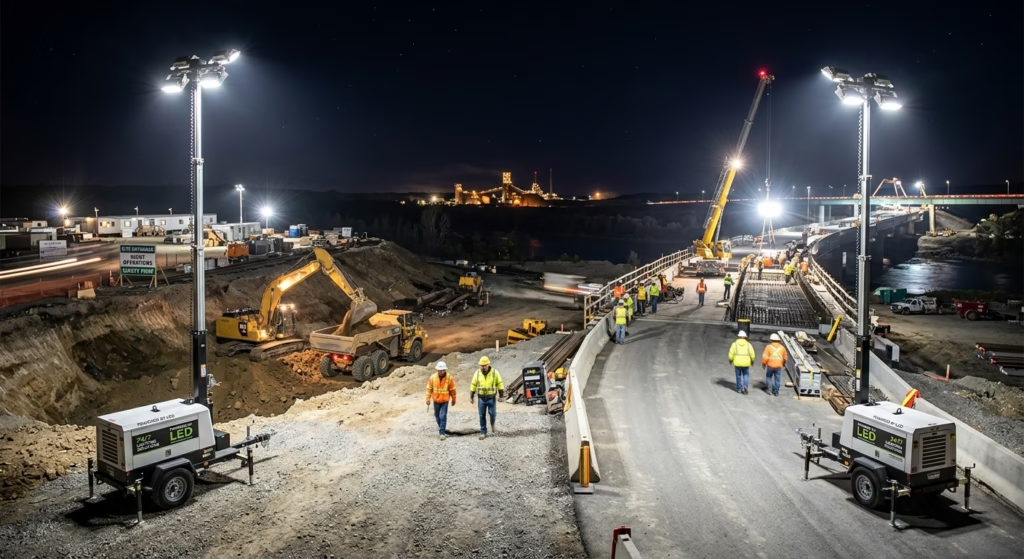
In many industries such as construction, mining, oil and gas, and transportation, operations often run 24 hours a day. Under such conditions, proper lighting becomes not just helpful—but essential. Tower lighting, in particular, provides large-scale illumination for worksites operating during low-light conditions or at night. This article explores why tower lighting is vital for both safety and productivity, and how it plays a crucial role in the success of industrial operations.
1. Lighting and Workplace Safety: A Direct Connection
First and foremost, safety is the top priority in any work environment—especially in high-risk settings such as construction sites, mines, or drilling platforms. Poor lighting significantly increases the chance of accidents. Fortunately, tower lighting serves as a powerful tool to help reduce such risks.
a. Improved Visibility
To begin with, proper illumination allows workers to see their surroundings clearly. This includes recognizing obstacles, moving machinery, overhead cables, and fellow crew members. As a result, the likelihood of accidents such as slips, trips, and falls is greatly reduced.
b. Fewer Equipment-Related Incidents
In addition, operators of heavy machinery like cranes, bulldozers, and forklifts require clear visibility to maneuver safely. Without sufficient lighting, their depth perception and spatial awareness are compromised. Tower lighting, therefore, allows for safer and more accurate operation, reducing potential collisions and damage.
c. Support During Emergency Situations
Moreover, in the event of emergencies—such as fires, explosions, or natural disasters—adequate lighting becomes indispensable. Emergency response teams, as well as on-site workers, need to evacuate or respond quickly. Tower lighting provides consistent visibility, even when the main power source fails.
2. How Lighting Boosts Productivity
Besides enhancing safety, proper lighting also has a significant impact on productivity. Workers tend to be more efficient, focused, and accurate when they are not straining to see. Tower lighting enables better working conditions, especially during night shifts or in low-visibility environments.
a. Enabling Round-the-Clock Operations
For example, large-scale infrastructure or resource extraction projects often operate on tight deadlines. With tower lighting, there’s no need to halt work when the sun sets. Teams can continue operations through the night, increasing output without compromising safety.
b. Enhancing Worker Focus and Efficiency
What’s more, well-lit environments reduce eye strain and fatigue, helping workers maintain concentration. This improved mental clarity leads to fewer mistakes, better decision-making, and higher-quality results throughout a shift.
c. Faster Workflow and Coordination
Additionally, bright and even lighting helps teams move more quickly and coordinate tasks more effectively. It becomes easier to spot tools, identify hazards, and communicate clearly—factors that all contribute to smoother, faster work.
3. Designed for Efficiency and Flexibility
Today’s tower lighting solutions are designed with not only brightness in mind but also mobility, energy efficiency, and ease of use. As technology advances, so do the capabilities of lighting towers—making them even more essential for modern job sites.
a. Portable and Easy to Relocate
To illustrate, most tower lighting units are built with wheels or trailer systems. This portability allows them to be moved quickly to different sections of the site as work progresses. In dynamic or constantly changing environments, this is a major advantage.
b. Energy-Efficient LED Technology
Moreover, many modern towers use LED lights, which are more energy-efficient, longer-lasting, and brighter than traditional bulbs. In addition, LEDs are more durable and resistant to vibration—ideal for rugged work environments.
c. Independent Power Sources
Tower lighting units often come equipped with their own power generators. As a result, they can operate independently of local power grids. This makes them perfect for remote areas or emergency situations where electricity is unavailable or unreliable.
d. Smart Features and Automation
Furthermore, newer models now include features like light sensors, timers, and even remote control systems. These smart capabilities allow for better energy management and reduce the need for manual adjustments—improving safety by minimizing the need for nighttime maintenance.
4. Applications Across Multiple Industries
Tower lighting is not limited to one industry—it is widely used across several sectors to support both safety and productivity.
a. Construction
In construction, especially roadworks or infrastructure projects, tower lighting enables crews to meet deadlines by working during evenings or overnight. This also reduces daytime traffic disruptions and enhances safety for both workers and the public.
b. Mining
Mining operations, particularly those in open-pit environments, frequently run 24/7. Without reliable lighting, it would be nearly impossible to maintain safe and efficient operations after dark.
c. Oil and Gas
In the oil and gas industry, facilities like drilling rigs and refineries demand continuous operation. Given the potential hazards involved, proper lighting is crucial not only for routine tasks but also for emergency response and inspection work.
d. Events and Emergency Response
Finally, tower lighting is also invaluable for large outdoor events, disaster response, and law enforcement. Whether it’s a festival, a recovery site after a natural disaster, or a temporary checkpoint, tower lights provide the visibility needed for coordination and security.
5. Choosing the Right Tower Lighting: Key Considerations
Before investing in tower lighting, it is essential to evaluate specific needs. Not all lighting towers are created equal, so decision-makers must consider:
- Brightness level (measured in lumens)
- Area coverage
- Height and adjustability of the mast
- Power source (diesel, solar, hybrid)
- Weather resistance and durability
- Ease of setup and transport
By choosing the right equipment, companies can significantly increase the return on investment—through both reduced accident rates and higher output.
Conclusion
In conclusion, tower lighting is far more than just a practical accessory—it is a critical component of any safe and productive worksite. By enhancing visibility, it helps prevent accidents, protect lives, and maintain compliance with safety regulations. At the same time, it enables teams to work longer hours, complete projects faster, and maintain high performance—even in the most challenging environments.
As industries evolve and demands increase, tower lighting continues to play an essential role. Thanks to advancements in technology, today’s lighting towers are more efficient, versatile, and reliable than ever. Investing in proper tower lighting is not just wise—it’s necessary for any organization aiming to prioritize both safety and productivity.
Leave a Reply